
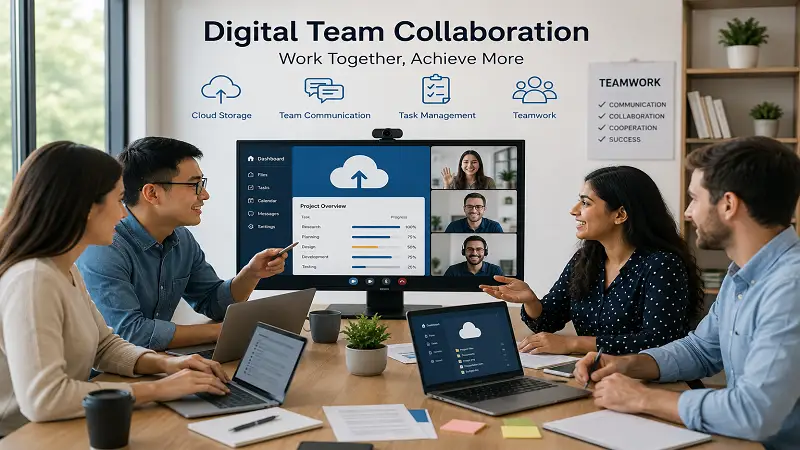
The modern workplace has changed dramatically over the past decade. Businesses, educational institutions, and organizations now rely heavily on digital tools to communicate, organize tasks, and manage teams. Remote work and hybrid working environments have made online collaboration more important than ever before.
As people adapt to these changes, there is growing interest in understanding how digital collaboration systems function and why they have become essential in everyday operations. Discussions surrounding crew cloudysocial com often focus on teamwork, communication practices, and the increasing dependence on cloud-based environments.
This article explores the importance of digital collaboration, the benefits of cloud-based teamwork, common challenges, and practical ways individuals and organizations can improve productivity in the digital age.
The Rise of Digital Collaboration
Traditional workplaces depended on face-to-face meetings, physical files, and office-based communication. While these methods served organizations for many years, technological advancements introduced new possibilities.
Digital collaboration refers to the use of online technologies that enable individuals and teams to work together regardless of their physical location. Employees can exchange ideas, share documents, assign responsibilities, and monitor progress through digital platforms.
Several factors contributed to this shift:
- Increased internet accessibility.
- The growth of remote employment.
- Global business expansion.
- The need for flexible work arrangements.
- Advances in cloud computing technologies.
These developments transformed the way teams function and communicate.
Understanding Cloud-Based Work Environments
Cloud-based systems allow users to access information and applications through internet-connected devices rather than relying solely on local storage.
This approach offers several advantages:
Accessibility
Team members can access important files and information from different locations using computers, tablets, or smartphones.
Real-Time Updates
Changes made by one user can often be viewed instantly by others, reducing confusion and improving coordination.
Improved Efficiency
Employees spend less time searching for information and more time completing meaningful tasks.
Reduced Infrastructure Costs
Organizations may decrease expenses associated with maintaining extensive physical servers and storage equipment.
Because of these benefits, many businesses continue integrating cloud solutions into their daily operations.
Why Effective Team Communication Matters
Communication is one of the most important aspects of successful teamwork. Even highly skilled employees can struggle if communication is unclear or inconsistent.
Strong communication practices help teams:
- Clarify expectations.
- Prevent misunderstandings.
- Encourage creativity.
- Resolve problems quickly.
- Build trust among colleagues.
Open communication channels contribute significantly to organizational success.
Characteristics of Effective Communication
Successful teams often demonstrate the following qualities:
Active Listening
Team members pay attention to others’ perspectives before responding.
Respectful Interaction
Constructive discussions encourage collaboration rather than conflict.
Timely Responses
Prompt communication helps projects remain on schedule.
Transparency
Sharing relevant information honestly promotes accountability and trust.
Organizations that prioritize these practices often experience stronger working relationships.
The Role of Technology in Team Productivity
Technology has become a valuable partner in achieving organizational goals.
Modern digital systems assist teams by:
- Organizing project timelines.
- Tracking assignments.
- Managing shared documents.
- Scheduling meetings.
- Facilitating instant communication.
- Supporting performance analysis.
The conversation surrounding crew cloudysocial com reflects broader interest in understanding how technological systems influence team performance and productivity.
However, technology alone cannot guarantee success. Teams must also establish clear processes and maintain healthy workplace habits.
Benefits of Remote and Hybrid Work Models
Remote and hybrid arrangements have become increasingly common.
Greater Flexibility
Employees often gain better control over their schedules, allowing improved work-life balance.
Expanded Talent Opportunities
Organizations can recruit qualified individuals regardless of geographical limitations.
Reduced Commute Stress
Less travel may contribute to improved well-being and increased productivity.
Enhanced Employee Satisfaction
Many workers appreciate the autonomy associated with flexible work environments.
Business Continuity
Digital systems enable operations to continue during unexpected disruptions.
Despite these advantages, organizations must also address certain challenges.
Common Challenges in Digital Collaboration
Although digital teamwork offers numerous benefits, it presents unique difficulties.
Communication Gaps
Without face-to-face interaction, messages may be misunderstood.
Information Overload
Employees can become overwhelmed by excessive notifications and updates.
Time Zone Differences
Global teams often struggle to coordinate schedules effectively.
Security Concerns
Protecting sensitive information requires strong cybersecurity practices.
Isolation and Burnout
Remote employees may experience loneliness or difficulty separating work from personal life.
Recognizing these challenges allows organizations to develop practical solutions.
Strategies for Building Strong Digital Teams
Successful collaboration depends on intentional effort and thoughtful planning.
Establish Clear Goals
Every team member should understand project objectives and expectations.
Define Roles and Responsibilities
Clarity reduces duplication of effort and confusion.
Encourage Regular Check-Ins
Consistent meetings help identify obstacles before they become serious problems.
Promote Accountability
Individuals should take ownership of assigned tasks.
Support Professional Development
Continuous learning helps employees adapt to evolving technologies.
Foster Inclusion
Every team member should feel valued and encouraged to contribute ideas.
By implementing these strategies, organizations can strengthen cooperation and improve outcomes.
Cybersecurity Awareness in Collaborative Environments
As organizations rely more heavily on digital systems, cybersecurity becomes increasingly important.
Employees should understand basic security principles, including:
Creating Strong Passwords
Complex passwords reduce unauthorized access risks.
Recognizing Phishing Attempts
Suspicious emails and messages should be reported immediately.
Updating Software Regularly
Updates often contain essential security improvements.
Using Secure Networks
Public internet connections may expose sensitive information.
Protecting Confidential Data
Information should only be shared with authorized individuals.
The growing attention surrounding crew cloudysocial com also highlights the importance of educating users about responsible digital practices within collaborative environments.
Cybersecurity is not solely the responsibility of technical departments; every employee plays an important role.
The Human Side of Collaboration
Technology facilitates teamwork, but people remain the foundation of every successful organization.
Human-centered workplaces prioritize:
- Empathy.
- Mutual respect.
- Recognition of achievements.
- Emotional intelligence.
- Psychological safety.
- Opportunities for feedback.
Employees who feel supported are often more engaged and motivated.
Leaders should strive to create environments where individuals can communicate openly and contribute without fear of judgment.
Future Trends in Digital Teamwork
The future of collaboration continues to evolve rapidly.
Several emerging trends are shaping modern workplaces.
Artificial Intelligence Integration
AI technologies increasingly assist with routine tasks, scheduling, and data analysis.
Automation
Repetitive administrative processes may become more efficient through automation.
Advanced Virtual Meetings
Improved technologies can create more engaging remote interactions.
Personalized Work Experiences
Organizations may tailor workflows to accommodate different employee needs.
Continuous Learning Cultures
Adaptability and lifelong learning will become even more valuable.
As digital transformation progresses, teams must remain flexible and willing to embrace change.
The discussion of crew cloudysocial com can therefore be viewed within the broader context of society’s ongoing adaptation to technology-driven collaboration.
Practical Tips for Individuals
Whether working remotely or in traditional settings, individuals can strengthen their collaboration skills by following these recommendations:
- Organize daily priorities.
- Communicate clearly and professionally.
- Ask questions when clarification is needed.
- Respect deadlines.
- Document important information.
- Maintain healthy work boundaries.
- Continue learning new digital skills.
- Offer support to colleagues.
- Practice patience during challenges.
- Celebrate team successes.
Small habits often contribute significantly to long-term professional growth.
Conclusion
Digital collaboration has transformed the modern workplace, enabling teams to communicate and work together across distances that once posed significant barriers. Cloud-based systems provide accessibility, efficiency, and flexibility that support organizational success in an increasingly connected world.
However, effective teamwork requires more than technology. Clear communication, accountability, cybersecurity awareness, empathy, and adaptability remain essential components of productive collaboration.
As workplaces continue evolving, individuals and organizations that invest in both technological understanding and human relationships will be better prepared for future challenges. By embracing responsible digital practices and fostering supportive team cultures, people can thrive in environments shaped by innovation and cooperation.
The continued interest in topics such as crew cloudysocial com reflects a broader desire to understand how modern collaboration functions and how people can work together more effectively in an ever-changing digital landscape. See More